

Expense Management Software
What is it, how it works, and why HR teams rely on it
Expense software
Expense management rarely tops anyone’s list of favourite tasks.
But for HR and finance teams, it’s one of those areas that quietly eats away at time, accuracy, and patience.
Chasing receipts. Checking spreadsheets. Nudging managers for approvals. Trying to work out whether a claim actually follows policy. This is exactly why so many organisations are now turning to expense management software.
But, what is it? What does it do? And what options are out there?
Learn more hereWhat is expense management software?
Expense management software is a digital system that helps organisations manage employee expenses from submission through to approval, reporting, and reimbursement.
Instead of relying on paper receipts, spreadsheets, or inboxes, expenses are handled in one central system. This allows businesses to:
You may also see it referred to as:
- Expenses software
- Expense software
- Automated expense management
- Expense tracking software
While the terminology varies, the goal is always the same: to remove manual admin and give organisations better control and visibility over expenses.
Why managing expenses manually isn’t sustainable… especially for busy HR teams
Many organisations start out managing expenses manually using spreadsheets, paper forms or emails because it feels “good enough”. But, as soon as headcount grows, cracks start to show. This is because:
This is where HR software with integrated expense management starts to make a real difference.

How Expense Management Software Works
While features vary by provider, most expense management software follows a similar end-to-end process, replacing outdated spreadsheets and inboxes with a more automated, policy-led approach that’s far easier for HR and finance teams to manage.
Here’s a typical example of how expense management software works:
-
Employees submit expenses digitally
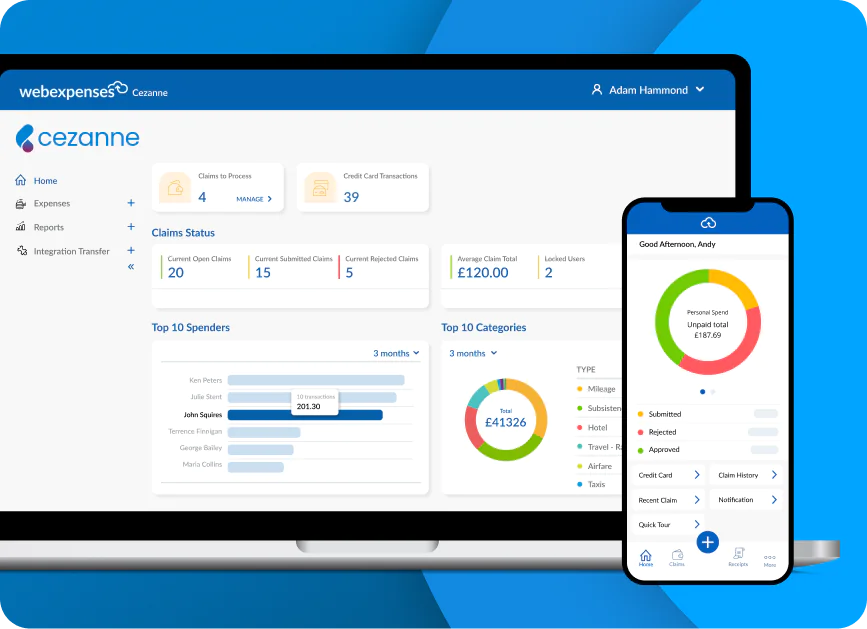
Employees submit expenses using a desktop or mobile app. Receipts can be captured using a phone camera, removing the need to keep hold of paper copies. The simpler the process, the more likely employees are to submit expenses on time and correctly.
-
Expense policies are applied automatically
One of the biggest advantages of expense tracking software is that company policies are built directly into the system. If a claim exceeds limits or breaks a rule, it’s flagged immediately. This prevents issues from building up and reduces the need for manual intervention later.
-
Claims follow clear approval workflows
Expenses are routed automatically to the right approvers. Managers can review and approve claims without searching through emails or attachments. This speeds up expense approvals and creates a clear audit trail for every claim.
-
Finance teams get clean, reliable data
Once approved, expense data can be reported on and exported for finance or payroll teams. Instead of re-keying information or correcting errors, teams receive accurate, consistent data that’s ready to use. This is particularly valuable where expense data needs to be shared efficiently with payroll or finance without manual rework.
The benefits of expense management software
So, what does all of this actually deliver in day-to-day terms?
Is expense management software only for large businesses?
No, not at all. In fact, getting the right system in place early can save growing organisations a huge amount of time and frustration as expense volumes increase. While larger organisations were early adopters, expense management software is now widely used by mid-sized organisations, particularly those with:
• Remote or hybrid workforces
• Regular mileage or travel expenses
• Growing employee numbers
• Increased compliance requirements
Once more than a handful of people are submitting expenses each month, manual processes quickly become inefficient and a drain on precious time.
What to look for in expense management software
If you’re exploring expenses software options, here are some key areas to consider.
Why expense management software is becoming essential
Expense admin might not be the most exciting part of HR or finance, but it has a bigger impact than many organisations realise.
Modern expense management software replaces spreadsheets and inboxes with a structured, automated approach that delivers:
For HR teams especially, it removes one of the most frustrating sources of low-value work.
If you’re still managing expenses manually, chances are it’s costing you more time and effort than you think.

Expense management software options used by UK businesses
When HR teams start looking into expense management software, it quickly becomes clear that there’s no single “best” option for every organisation.
Most UK businesses will recognise a handful of established providers, each approaching expense management slightly differently. Understanding these approaches can make it easier to decide what will actually work in practice, not just on paper.
Established expense management platforms
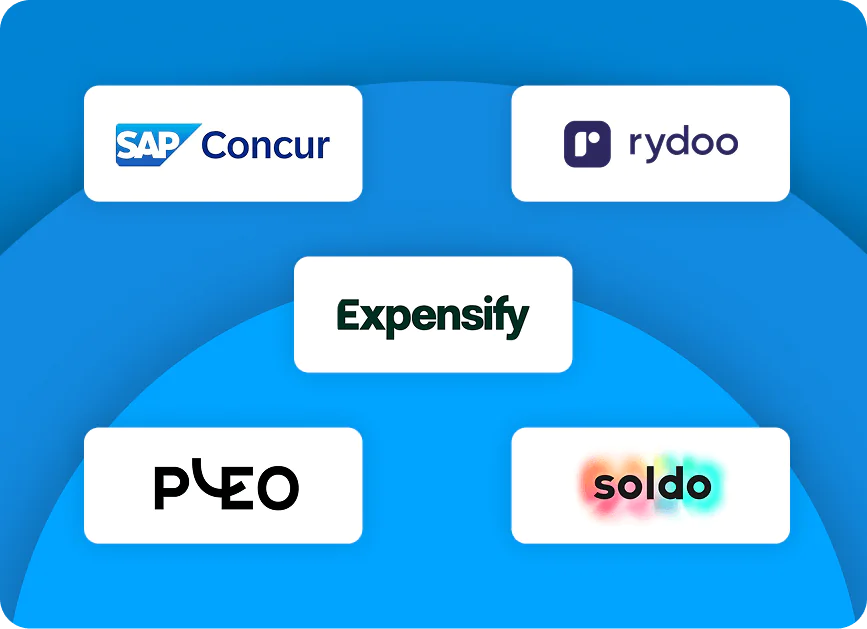
Some providers focus specifically on expense and spend management, with structured workflows and built-in policy controls. Examples commonly used by UK organisations include:


These types of platforms are often a good fit for:
• Organisations with more formal expense policies
• HR teams supporting multiple departments or locations
• Businesses where consistency and auditability matter
From an HR perspective, they tend to reduce manual oversight by enforcing rules automatically, rather than relying on individuals to remember them.
Card-led expense platforms
Other providers take a card-first approach, where expenses are closely tied to corporate cards and transactions. UK businesses may be familiar with names such as:


This approach can suit:
• Teams with regular card-based spending
• Organisations where finance leads expense processes
• Businesses wanting immediate visibility of spend
For HR teams, the experience can vary depending on how widely cards are used and how flexible the system is for non-card expenses, such as mileage or occasional out-of-pocket claims.
Expense tools within wider HR, payroll and finance systems
Some organisations manage expenses using tools that sit within a broader HR software, payroll or accounting platform. This is often appealing where:
• Teams want fewer systems to manage
• HR involvement in expenses is minimal
• Businesses want a seamless and secure flow of data between systems
This option can be particularly appealing if HR teams need clearer workflows, better reporting, or stronger policy enforcement.

What matters most to HR when choosing expense management software
For HR teams, the decision usually isn’t about having the most features. It’s about reducing friction. If you’re evaluating expense management software options, look to prioritise the following:
- How easy it is for employees to submit expenses correctly
- How much chasing and manual checking is removed
- How clearly policies are enforced without awkward follow-ups
- How transparent the process feels for employees and managers
- How smoothly expense data can be shared with finance or payroll teams
The right solution should make expense management feel like a background process, not a recurring problem HR has to firefight.

Hello there. We’re Cezanne. Nice to meet you!
We’re on a mission to become the most loved and trusted HR and payroll provider mid-sized UK and international organisations.
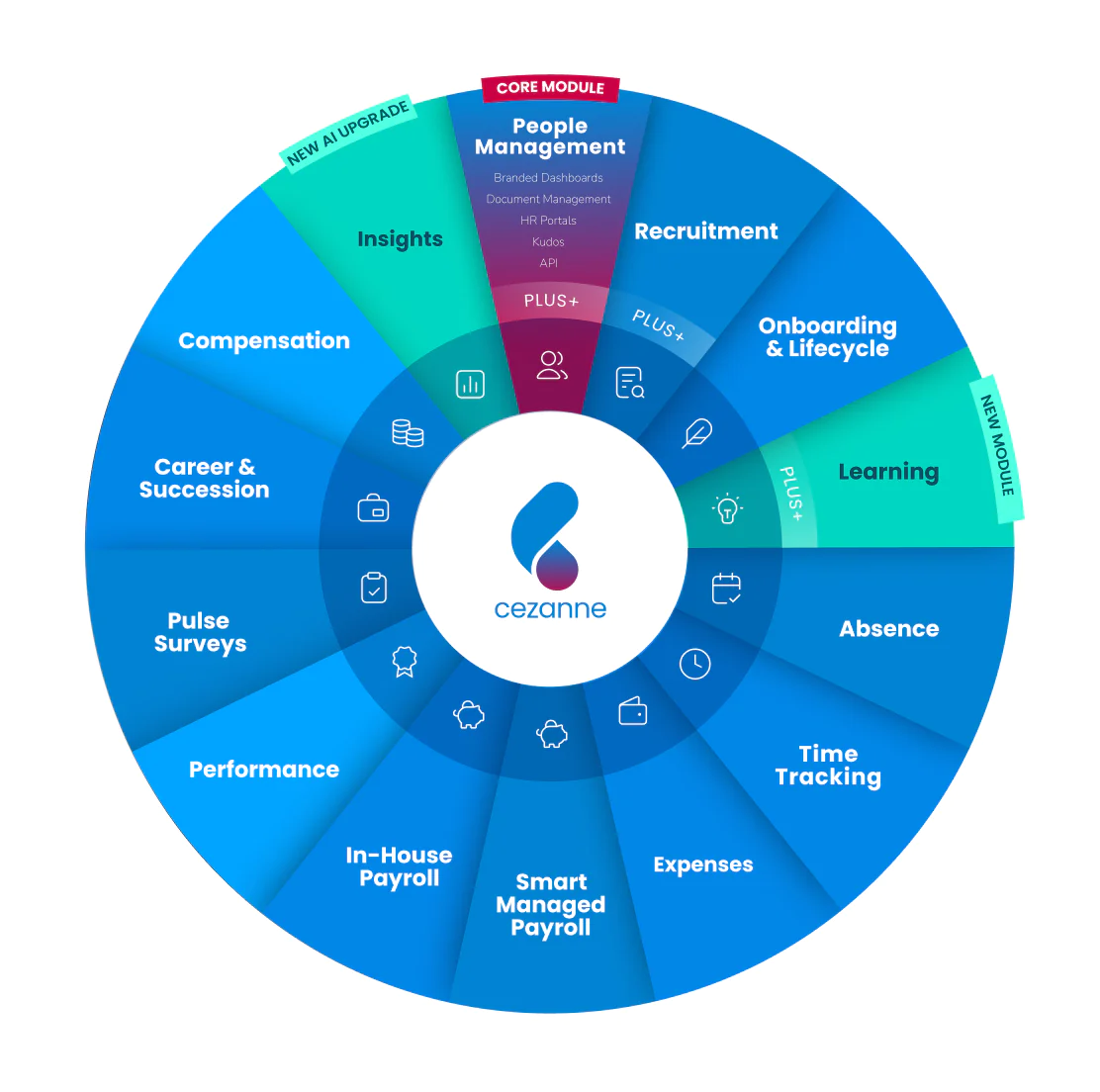
Covering the full employee lifecycle, Cezanne software includes integrated modules for core HR, recruitment, onboarding, absence and performance management, pulse surveys, time tracking, career and succession planning, workforce analytics, compensation planning and both in-house and managed payroll – together with an integration platform service and open APIs to leading third-party solutions.
With customers covering virtually every business sector, from financial services and legal firms to logistics and non-profits, the Cezanne system is purposely designed to be exceptionally quick to deploy and easy to manage. Our software is proven to take out both cost and complexity… without sacrificing the flexibility or depth of features required to support complex and evolving HR needs.